Insects
Silverfish in the Bathroom: Causes and Treatment
Why silverfish appear, whether they pose a risk, and how to eliminate them for good.
What Are Silverfish?
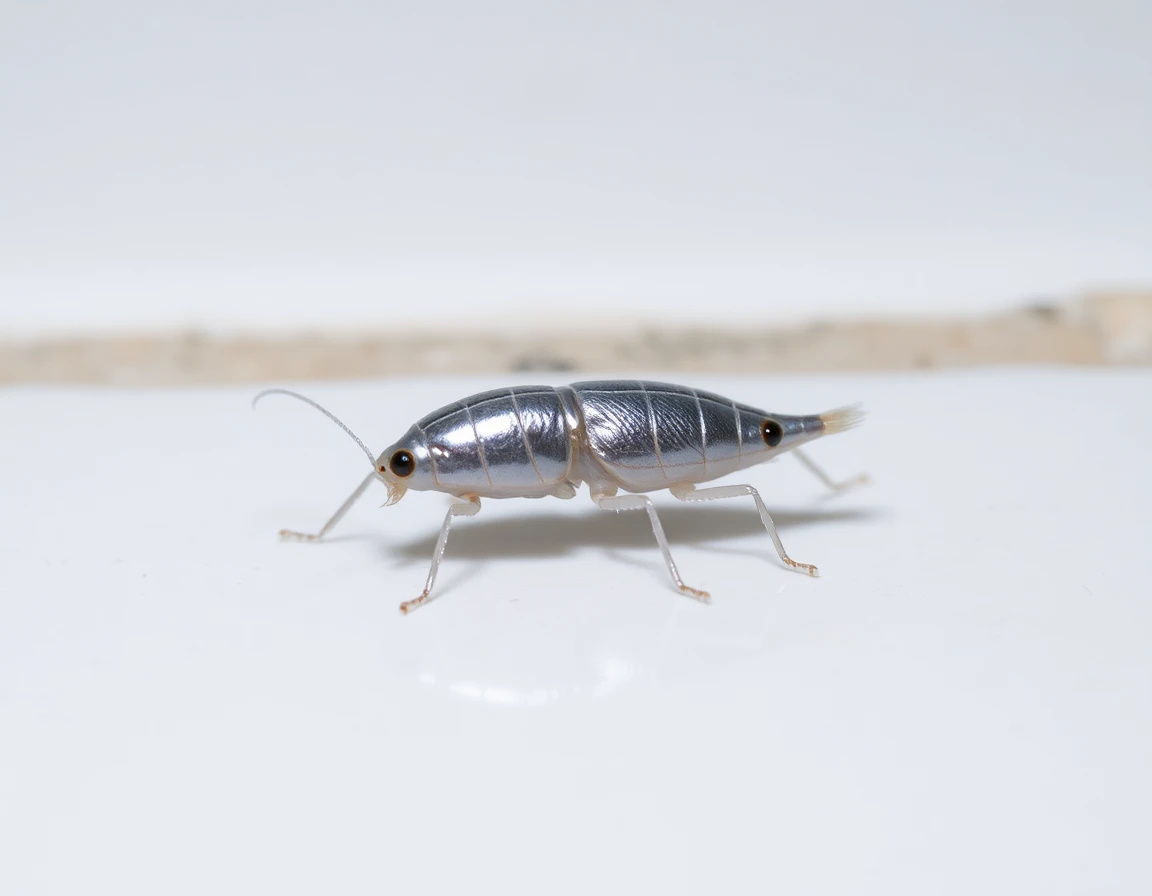
Silverfish (Lepisma saccharina) are small, wingless insects named for their silvery-grey, scale-covered bodies and the fish-like wriggling motion they make when running. Adults reach 12–19 mm in length, with long antennae and three tail-like appendages at the rear. They move very quickly and are most active at night, which is why many people only discover them when they switch on the bathroom or kitchen light after dark.
Silverfish are among the oldest insect species on Earth — fossil records date them back 400 million years. They are remarkably resilient, capable of surviving without food for several months and living for up to three years under favourable conditions. A closely related species, the firebrat (Thermobia domestica), has similar habits but prefers warmer environments such as bakeries and boiler rooms.
Why Do Silverfish Appear in Bathrooms?
Silverfish are drawn to environments that offer the three things they need to thrive: moisture, warmth, and accessible food sources. Bathrooms — particularly those with poor ventilation — provide all three:
- High humidity: Steam from showers and baths creates persistently high humidity levels. Silverfish prefer relative humidity above 75%.
- Starchy food: They feed on the starch in paper (wallpaper, cardboard packaging, books), glue, dried organic matter (dandruff, dead skin cells), and natural textiles (cotton, linen). Bathroom cabinets often contain all of these.
- Undisturbed harbouring: The gaps behind bathroom cabinets, under sinks, and inside wall voids provide the dark, undisturbed hideouts silverfish favour.
Silverfish are also found in kitchens, libraries, and storage rooms — anywhere with humidity and accessible starch or sugar. In apartment buildings, they can spread between units through shared plumbing and electrical conduits.
Are Silverfish Dangerous?
Silverfish do not bite humans, transmit diseases, or pose a direct health risk. However, they are not entirely harmless:
- Their shed skins and faecal matter can trigger allergic reactions in sensitive individuals, particularly those with respiratory conditions.
- They can cause significant damage to books, documents, photographs, wallpaper, and clothing — particularly items stored in humid conditions.
- A large or persistent infestation may indicate underlying moisture problems (leaking pipes, inadequate ventilation) that need attention in their own right.
The presence of silverfish is often a symptom of a moisture issue rather than the problem itself. Addressing humidity is an essential part of any lasting treatment.
Prevention: Reducing Humidity and Access
Before or alongside professional treatment, take the following preventive steps to make your bathroom and home less attractive to silverfish:
Reduce Moisture
- Use an extraction fan during and after showering
- Fix dripping taps and leaking pipes promptly
- Seal grout and caulk around tiles, sinks, and the bath
- Use a dehumidifier in persistently damp rooms
- Ventilate storage areas regularly
Reduce Access and Food Sources
- Store paper, books, and magazines in sealed containers
- Seal gaps around pipes under sinks and in walls
- Clear out old cardboard boxes from storage areas
- Clean bathroom cabinets and under-sink areas regularly
- Repair peeling wallpaper and cracked plaster promptly
Professional Treatment Options
For occasional, isolated silverfish, DIY measures such as diatomaceous earth, insecticidal dust, or sticky traps may provide some control. However, a persistent or widespread infestation requires professional treatment.
A professional technician will carry out a thorough inspection of the affected rooms, identify harbouring sites, and apply targeted insecticide treatments to all likely hiding places — including wall voids, under-sink cavities, and access panels. Residual insecticide formulations applied to skirting boards and cracks provide lasting protection. In severe cases, treatment may extend to multiple rooms or areas of the building where the infestation has spread.
Professional treatment is recommended when silverfish are observed regularly despite preventive measures, when damage to belongings is occurring, or when the infestation involves multiple rooms or a large area of the property.
Need a pest control expert?
Contact us for a free, no-obligation quote. We respond quickly throughout French-speaking Switzerland.
Get a Free Quote