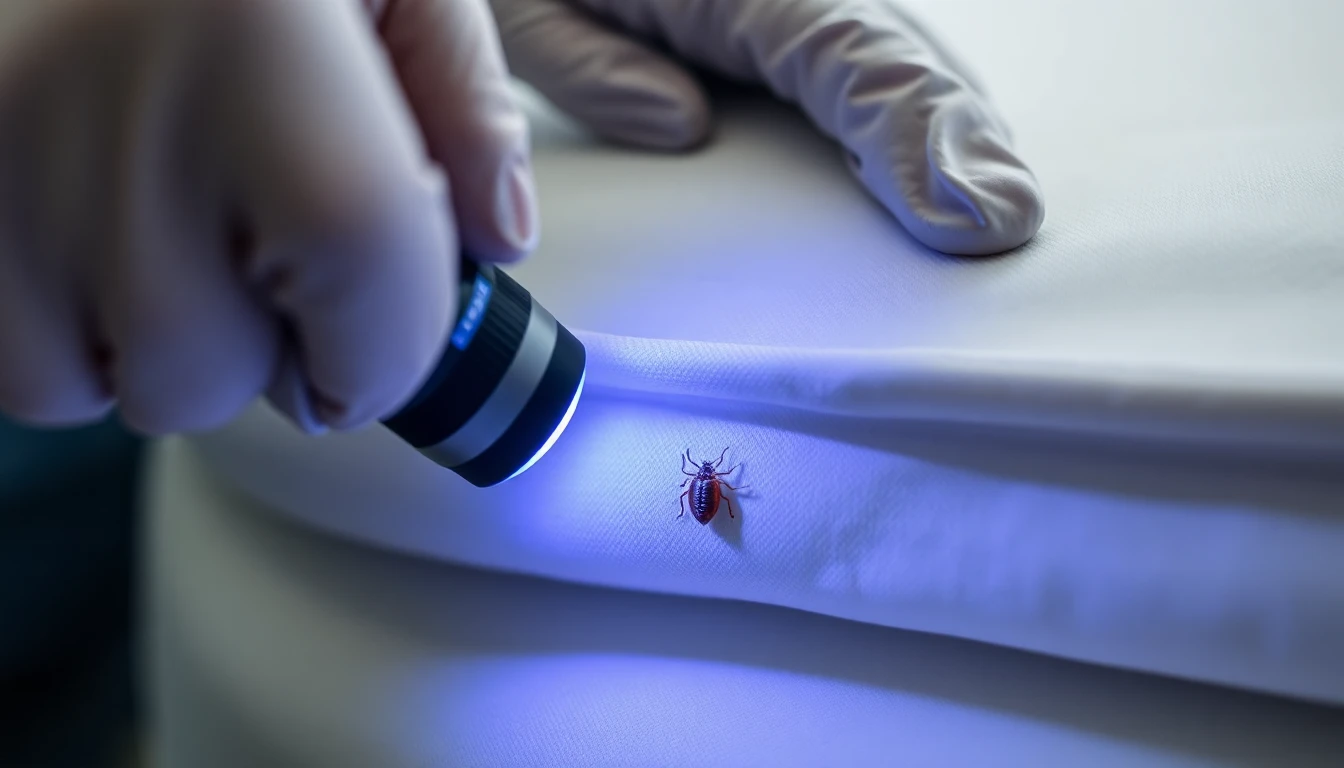
Bed Bugs
How to Prepare Your Home Before a Bed Bug Treatment
Follow these steps to maximise the effectiveness of your professional treatment and protect your belongings.
Why Preparation Matters
Professional bed bug treatment — whether chemical or heat-based — is only as effective as the preparation that precedes it. A well-prepared home allows the technician to access every hiding spot, ensures the treatment agent penetrates all infested areas, and reduces the risk of re-infestation from overlooked items. Failing to prepare adequately is one of the most common reasons why a treatment does not fully succeed at the first attempt.
Your pest control technician will give you specific instructions tailored to the treatment type being used. The guidance below covers the standard best practices for both chemical and heat treatments. Always defer to the instructions provided by your technician if they differ from these general guidelines.
Step-by-Step Preparation Checklist
Wash and Dry All Bedding and Clothing
Machine-wash all bedding, pillowcases, clothes, curtains, and soft toys at 60 °C or above. Immediately transfer items to the dryer and run on the highest heat setting for at least 30 minutes. Place the laundered items directly into sealed bags and do not take them back into the treated rooms until the technician confirms it is safe to do so.
Vacuum the Entire Room Thoroughly
Vacuum all floors, carpets, rugs, mattress surfaces, and upholstered furniture. Pay special attention to mattress seams, bed frame joints, skirting boards, and cracks. Immediately seal the vacuum bag in a plastic bag and dispose of it outside your home. If you have a bagless vacuum, empty the canister into a sealed bag outdoors and clean the canister with hot soapy water.
Clear Clutter from Floors and Furniture
Clutter provides bed bugs with additional hiding places and prevents the treatment from reaching all surfaces. Remove items stored under the bed, clear bedside tables, and declutter wardrobes. Objects that cannot be laundered should be placed in sealed bags and inspected individually. Inform your technician about any items you are unsure about.
Pull Furniture Away from Walls
Move beds, wardrobes, and sofas approximately 30–50 cm away from walls. This gives the technician access to treat the skirting boards, wall junctions, and the backs of furniture — all prime hiding spots for bed bugs. Remove pictures and mirrors from bedroom walls if possible.
Remove or Protect Heat-Sensitive Items (for Heat Treatment)
If you are receiving a heat treatment, remove candles, aerosol cans, pressurised containers, plants, pets, fish tanks, vinyl records, paintings sensitive to heat, and certain medications before the technician arrives. Laptops, phones, and most electronics can remain. Consult your technician for a complete list specific to your home.
Vacate the Property During Treatment
You, all occupants, and any pets must leave the property for the duration of the treatment. For chemical treatments, plan to be away for at least 4–6 hours. For heat treatments, the process typically takes a full working day. Do not re-enter until the technician confirms it is safe.
Do Not Move Items Between Rooms
One of the most critical rules: do not move bedding, clothing, or furniture from an infested room to other parts of the home during the preparation or treatment period. Doing so risks spreading bed bugs to previously unaffected areas. Keep all infested items contained until after the treatment is complete and confirmed successful.
After the Treatment
When you return home after a chemical treatment, ventilate the rooms thoroughly by opening windows for at least 30 minutes. Avoid mopping or vacuuming treated surfaces for at least two weeks, as this will remove the residual insecticide. Your technician will advise you on the specific aftercare required.
A follow-up inspection is usually scheduled 10–14 days after the initial treatment. This visit confirms whether the treatment was fully effective and allows a second application if any live bugs or newly hatched eggs are detected. For heat treatment, a single session is often sufficient, but a follow-up inspection is still recommended.
Continue to monitor for signs of activity — bites, dark spots, or live insects — for at least 4–6 weeks after the final treatment. Use mattress encasements on all mattresses and box springs as an ongoing preventive measure.
Need a pest control expert?
Contact us for a free, no-obligation quote. We respond quickly throughout French-speaking Switzerland.
Get a Free Quote