Bed Bugs
How to Identify Bed Bugs in Your Home
A complete guide to recognising the signs of a bed bug infestation — and knowing when to call a professional.
What Are Bed Bugs?
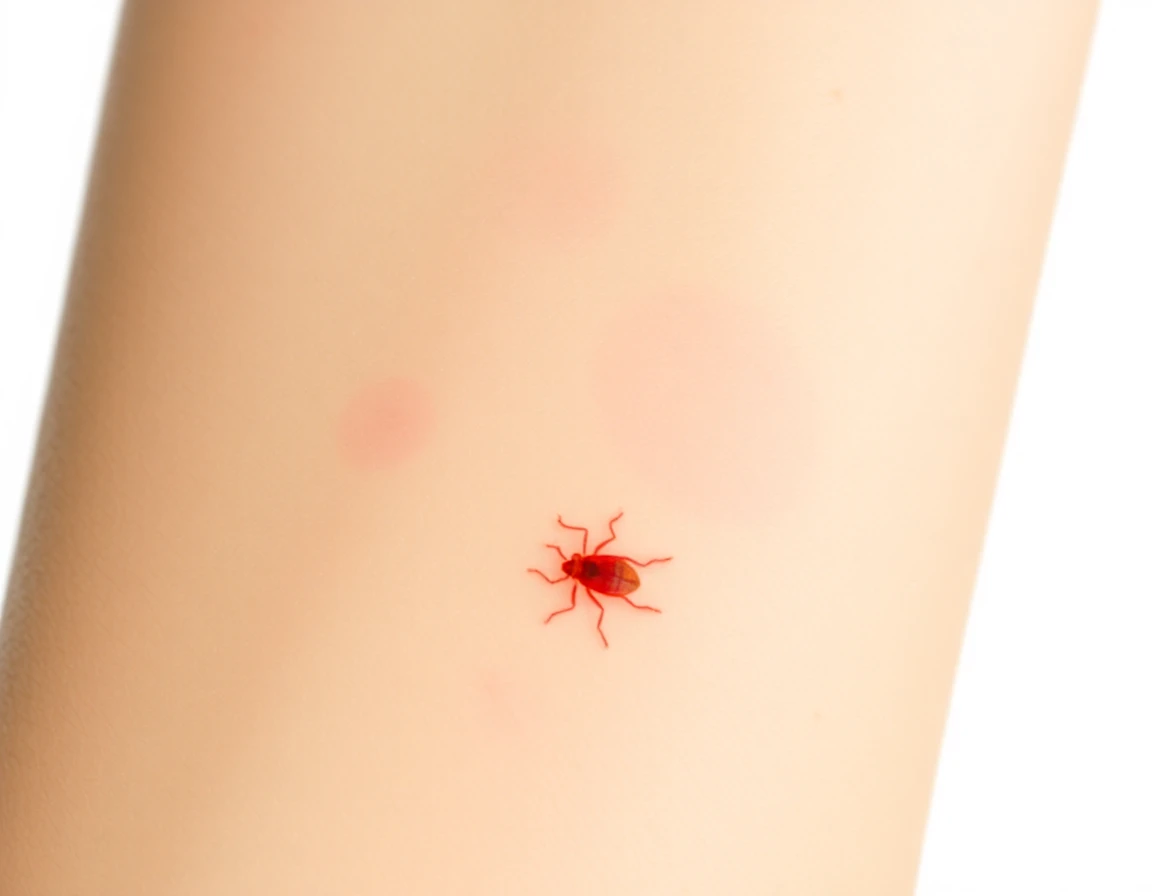
Bed bugs (Cimex lectularius) are small, flat, parasitic insects that feed exclusively on the blood of humans and warm-blooded animals. Adult bed bugs are oval-shaped, reddish-brown, and roughly the size of an apple seed — about 5–7 mm long. Nymphs (juvenile bed bugs) are smaller and paler, making them harder to spot with the naked eye. Bed bug eggs are tiny white specks, about 1 mm in length.
Despite their name, bed bugs are not confined to beds. They shelter in any dark, warm crevice close to a sleeping or resting human host: mattress seams, bed frames, skirting boards, behind picture frames, inside plug sockets, and within the folds of curtains or upholstered furniture. They are most active at night, emerging to feed while you sleep.
Key Signs of a Bed Bug Infestation
Identifying a bed bug infestation early is the best way to keep it manageable. Here are the most reliable signs to look for:
1. Bites on Your Skin
Bed bug bites appear as small, raised, red welts — often arranged in a line or cluster of three to five bites (sometimes called "breakfast, lunch and dinner"). They are most commonly found on exposed skin during sleep: arms, shoulders, neck, and face. Bites are usually painless at first but become intensely itchy. However, reactions vary significantly between individuals — some people show no visible reaction at all, making bites an unreliable sole indicator.
2. Dark Spots on Bedding and Mattresses
Bed bugs leave behind small black or dark-brown spots on sheets, mattress seams, and nearby surfaces. These are faecal deposits — digested blood excreted after feeding. You may also notice rust-coloured smears where a bed bug has been crushed. Check the mattress seams, piping, and the underside of the mattress carefully.
3. Shed Skins (Exuviae)
Bed bugs moult five times before reaching adulthood. These cast-off skins are translucent or pale yellow and resemble empty husks of the insect's body. Finding them in mattress seams, behind headboards, or in cracks in the bed frame is a strong indicator of an established infestation.
4. Live Insects
Spotting a live bed bug is the most definitive confirmation. Use a torch and check mattress seams, the bed frame joints, the gap between the headboard and the wall, and any cracks in nearby furniture or skirting boards. Because they are nocturnal, perform your inspection at night or in the dark for the best chance of finding them.
5. A Sweet, Musty Odour
A heavy infestation can produce a distinctive sweet, stale odour — sometimes compared to overripe raspberries or coriander. This is produced by the insects' scent glands. If you notice an unusual smell in the bedroom without an obvious cause, it is worth inspecting for bed bugs.
Where to Look
A thorough inspection should cover the following areas in order of likelihood:
- Mattress seams, piping, tags, and the underside
- Box spring (especially the fabric covering and wooden frame joints)
- Bed frame: joints, screw holes, and any hollows
- Headboard: the back surface and mounting points
- Bedside tables: inside drawers, along the back edges
- Carpets and rugs near the bed (lift edges and inspect underneath)
- Skirting boards and cracks in walls near the bed
- Behind picture frames, mirrors and wall sockets
- Sofas and upholstered chairs, particularly seams and underneath cushions
How Are Bed Bugs Introduced into a Home?
Bed bugs do not fly or jump, but they are skilled hitchhikers. The most common routes of introduction include:
- Travel: Infested hotel rooms, hostels, or holiday accommodation are the most frequent source. Bed bugs hide in luggage, clothing and other belongings.
- Second-hand furniture: Buying second-hand sofas, mattresses or bed frames is a significant risk if they have not been inspected thoroughly.
- Visitors: Guests who are carrying bed bugs in their luggage or clothing can inadvertently introduce them.
- Neighbouring apartments: In multi-unit buildings, bed bugs can migrate through wall voids, electrical conduits, and plumbing chases.
- Public transport and cinemas: Upholstered seats in trains, coaches, and cinemas can harbour bed bugs, which then attach to clothing or bags.
When to Call a Professional
If you find even one bed bug or discover convincing signs of their presence, do not delay. Bed bugs reproduce quickly: a single fertilised female can lay up to 500 eggs in her lifetime. An infestation that starts in one room can spread throughout a property within weeks. Over-the-counter insecticide sprays and foggers are rarely effective against established infestations — they may disperse the bugs and make treatment harder.
Professional treatment — whether heat-based or chemical — is the only reliable way to eliminate bed bugs at all life stages. For confirmed or suspected infestations in French-speaking Switzerland, contact our team for a rapid assessment.
Need a pest control expert?
Contact us for a free, no-obligation quote. We respond quickly throughout French-speaking Switzerland.
Get a Free Quote